

The Ministry of Finance, Planning and Economic Development has released Shs59.55 billion to districts, cities and municipalities for road maintenance in the third quarter of the 2025/26 financial year.
According to a circular issued by the ministry, Shs52.1 billion of the total allocation has been released directly to district local governments, with the balance earmarked for cities and municipalities.
The funding comes at a time when the condition of district and community access roads remains a major bottleneck to economic activity, agricultural productivity and service delivery across the country.
Uganda’s district road network, estimated at more than 38,000 kilometres, carries the bulk of rural traffic, linking farming communities to markets, health facilities and schools.
However, a significant portion of these roads remains in fair to poor condition.
Local government officials say persistent underfunding, heavy rains and rising maintenance costs have left many roads riddled with potholes, eroded surfaces and impassable sections, particularly in remote districts.
In some areas, bridges and culverts have been washed away, disrupting transport and increasing travel time and vehicle maintenance costs.
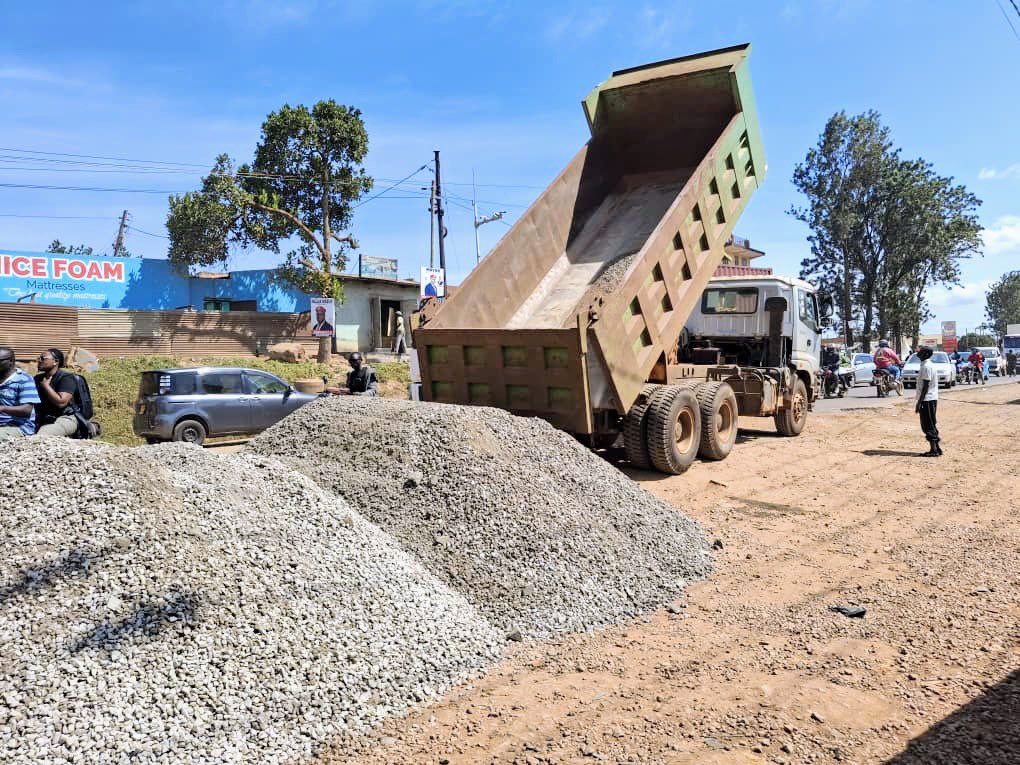
The quarterly release is expected to finance routine and periodic maintenance activities, including grading, bush clearing, drainage works, spot gravelling and minor bridge repairs.
While the allocation has been welcomed by local authorities, infrastructure analysts argue that it remains below the level required to restore roads to good motorable standards.
Under Uganda’s decentralised road maintenance framework, district, urban and community access roads fall under the responsibility of local governments, while national roads are managed by the Uganda National Roads Authority.
Unlike national highways that attract significant capital investment, district roads largely depend on conditional grants from the central government.
In many districts, officials report that available funds mainly cover routine maintenance, leaving limited fiscal space for periodic rehabilitation or upgrading roads to murram or tarmac standards.
As a result, roads requiring full reconstruction are often subjected to repeated grading, a short-term intervention that proves unsustainable during heavy rainfall.
The state of roads has direct economic implications. Agriculture, which employs the majority of Uganda’s workforce, relies heavily on rural road connectivity.
Poor road conditions increase post-harvest losses, inflate transport costs and reduce farm-gate prices, ultimately weakening household incomes.
Traders and transporters frequently factor road-related risks into pricing, contributing to higher consumer prices in urban centres.
Urban municipalities are also facing mounting pressure as rapid population growth intensifies traffic volumes on narrow and ageing road networks.
Without timely maintenance, minor surface cracks can quickly escalate into major structural damage, raising long-term rehabilitation costs.
Officials at the finance ministry say timely quarterly releases are intended to enhance predictability and enable local governments to plan maintenance schedules more effectively.
However, stakeholders continue to call for increased allocations and innovative financing mechanisms, including performance-based grants and greater private sector participation in road upkeep.
As the 2025/26 financial year progresses, the Shs59.55 billion injection provides short-term relief to struggling districts.
The broader challenge remains bridging the funding gap required to transform Uganda’s district roads from basic maintenance cycles into durable, all-weather infrastructure capable of supporting trade, service delivery and inclusive economic growth.
